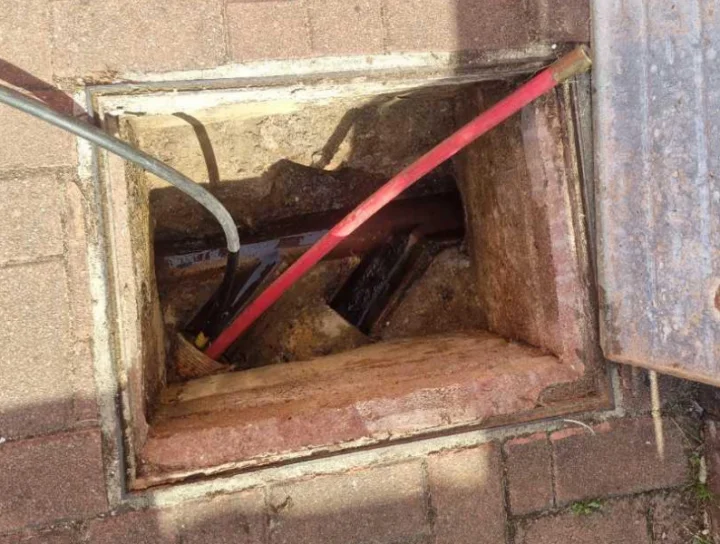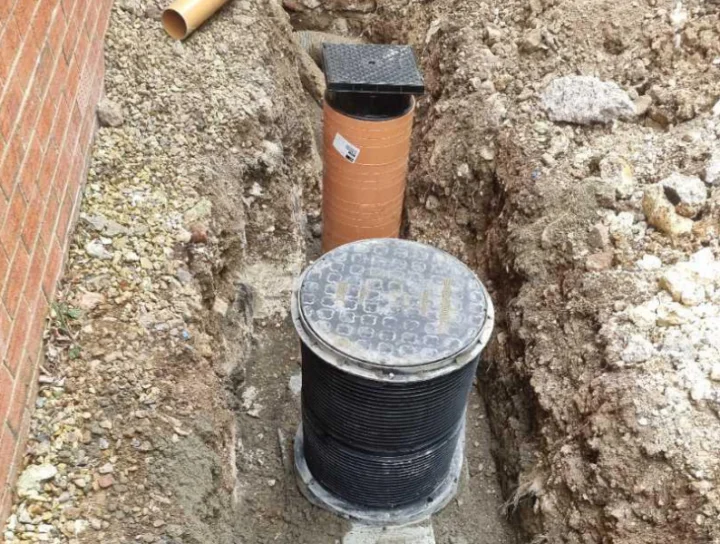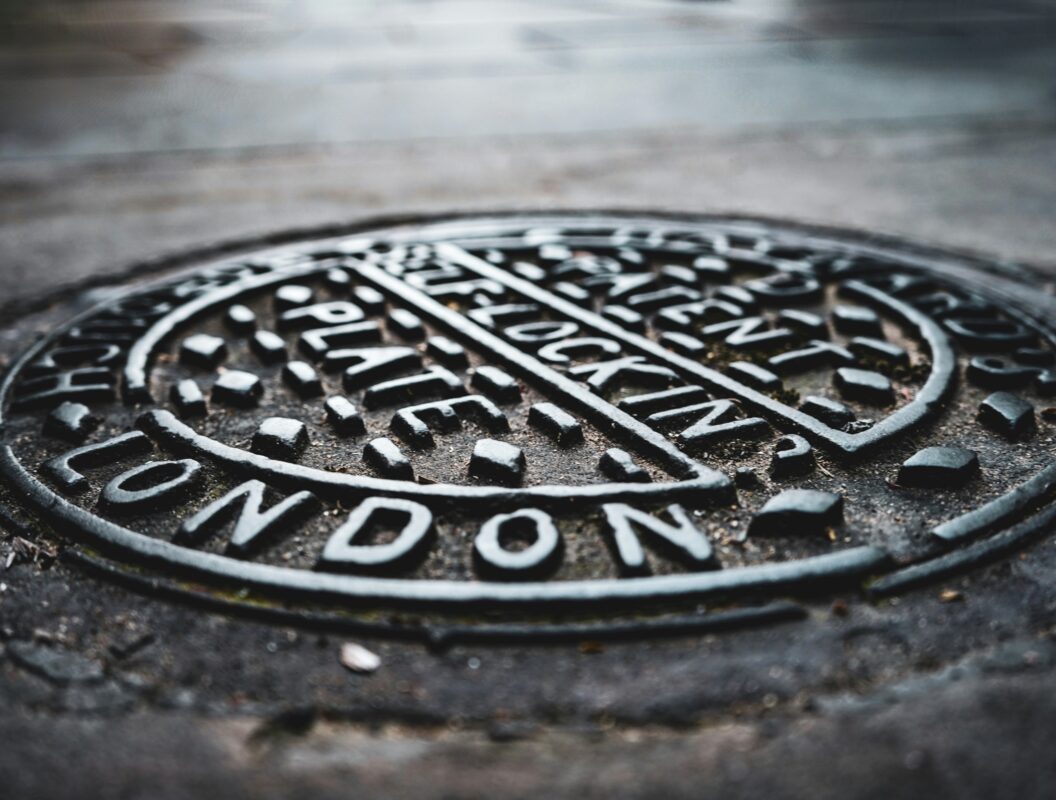
Manholes might not be something you think about every day, but they play a crucial role in the UK’s drainage system. When a drainage issue brings your day to a halt, engineers rely on these access points to reach the inspection chamber below, diagnose the problem, and get things flowing again.
Whether you are a homeowner or a business manager, understanding your drainage system can save you a lot of time and money. This guide explains what manholes are, how they function, who is responsible for them and what to do if a manhole on your property needs professional attention.
What Is a Manhole?
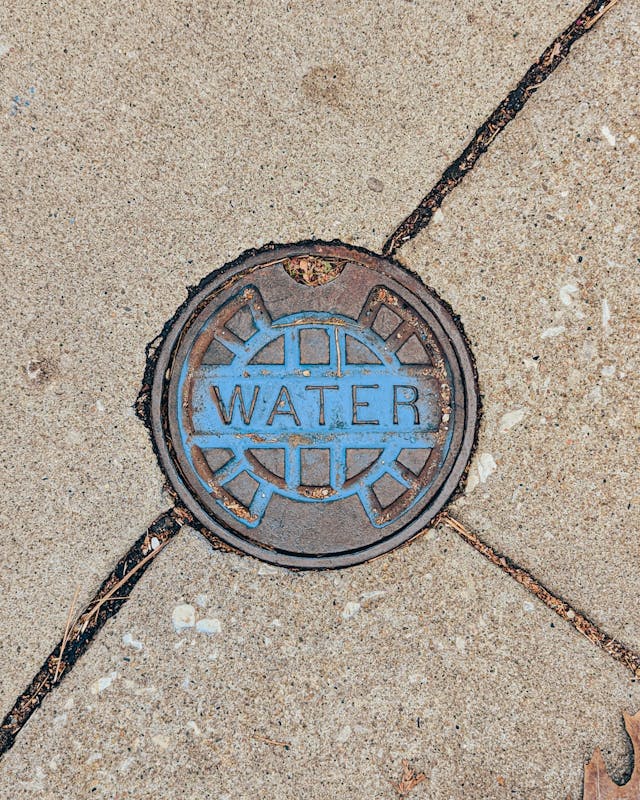
A manhole is a covered access point that allows engineers to reach the drainage system beneath the ground. By lifting the manhole cover, drainage specialists can safely inspect, clean, unblock or repair the pipes and chambers hidden beneath your feet.
The cover itself acts as a shield, protecting the system from debris, harsh weather and accidental entry. Meanwhile, the opening provides essential access for routine maintenance and emergency repairs.
How Do Manholes Work?
Beneath the manhole cover sits an inspection chamber, which temporarily holds wastewater. Depending on the system, this may include foul water, rainwater or a combination of both.
The key components of this system include:
- Inlet pipes: Carry wastewater from your property into the inspection chamber.
- Outlet pipes: Direct the water away from the chamber and into the main sewer network.
- Laterals: Smaller connecting pipes that feed into the main drainage line.
The chamber allows engineers to monitor flow, identify blockages and carry out repairs safely and efficiently.
Manholes vs Inspection Chambers
Although people often use the terms ‘manhole’ and ‘inspection chamber’ interchangeably, they are not the same thing:
- Manhole: The actual opening and the heavy cover at ground level.
- Inspection chamber: The underground space accessed via the manhole.
Inspection chambers also serve a vital role in managing excess water. During heavy rainfall, they temporarily store water before releasing it into the broader drainage network, reducing the risk of surface flooding.
Where Are Manholes Located?
You will find manholes positioned at strategic points along a drainage system. They are commonly located in:
- Roads and public pavements
- Gardens and driveways
- Commercial and industrial sites
They are deliberately spaced at regular intervals to allow access at key structural points. For example, if one chamber becomes blocked, our team can use the next nearest access point to perform high-pressure water jetting. Alternatively, if water is backing up, engineers can lift covers along the line to see exactly where water levels rise, pinpointing the blockage location.
A Brief History of Manholes
Did you know manholes have been around since Roman times? Back then, early drainage systems used heavy stone or wooden slabs as covers.
The basic design we recognise today began to take shape around 3500 BC, but it evolved significantly during the mid-19th century with the introduction of modern cast-iron covers. Despite technological advances in drain care, the core purpose of the manhole remains the same: providing safe access to underground drainage.
Why are Manhole Covers Round?
The round shape of manhole covers is intentional, as this design prevents them from accidentally falling through the opening below. Unlike square or rectangular covers, round covers cannot drop through their own frame, even diagonally.
Round covers are also much easier for engineers to roll into place, require no specific alignment to fit correctly, and distribute heavy weight evenly. This improves safety and their overall load-bearing strength.
What are Manhole Covers Made of?
Modern manhole covers need to withstand incredible pressure and extreme weather. They are typically made from:
- Cast iron: The most common material, extremely strong and highly durable.
- Ductile iron: A lighter but still incredibly strong alternative.
- Composite materials: Increasingly used in specific areas to reduce weight and prevent theft.
- Steel or concrete: Used primarily for lighter-duty applications, like private gardens.
The material used depends on strict load requirements, the manhole location, and safety regulations.
Common Manhole Problems
Manholes can develop a range of issues over time, from blockages and structural damage to worn or unsafe covers, all of which can disrupt your drainage system.
How Manholes Become Blocked
Over time, inspection chambers can become clogged with:
- Fat, oil and grease (FOG)
- Wet wipes
- Sanitary products
- Food waste
- Debris entering through damaged covers
The gradual buildup of these materials restricts the water flow, causing wastewater to back up or even overflow. Left untreated, these blockages can lead to serious property damage, foul smells, and expensive emergency callouts. Regular maintenance and drain unblocking by our Metro Rod engineers helps prevent these buildups and keeps your water flowing freely.
How to Unblock a Manhole
At Metro Rod, we use advanced techniques to quickly and effectively unblock manholes, saving you time and hassle. There are a couple of primary ways we treat a manhole or inspection chamber that has become blocked:
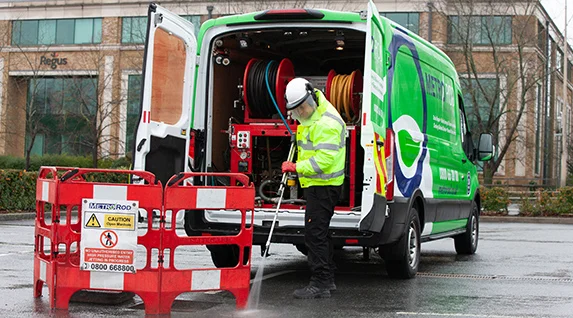 High-Pressure Water Jetting: Water is propelled at high speeds to clean surfaces and materials. It is particularly effective for drains as the impact softens or emulsifies a blockage, restoring water flow.
- Electro-Mechanical Cleaning: A motorised tool rotates a cable or spring inside the pipe, breaking up solid material. The debris is then removed or flushed safely into the drainage system.
Who is Responsible for Maintaining Manholes?
The responsibility for maintaining manholes depends on their location and the drainage system it serves:
- On your property (private drain): You are responsible if the system only serves your property.
- On your property but part of a shared system: The local water authority is responsible.
- On public land (a public footpath, pavement or road): The local water authority is responsible for managing and maintaining these manholes.
Repairing Broken Manhole Covers
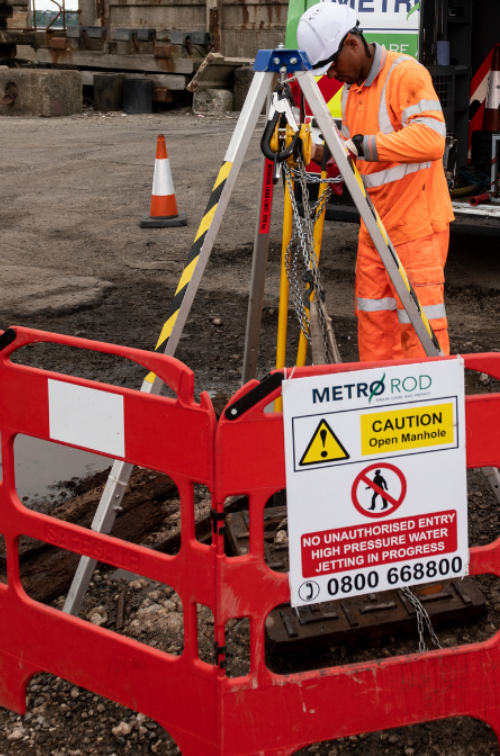
Broken or damaged manhole covers pose a major safety risk and can cause ongoing damage to the drains they’re supposed to protect. Manhole covers need to be repaired properly to protect pipework and comply with safety and load-bearing regulations.?In terms of responsibility, the same guidance applies as maintaining manholes:
- Private property = your responsibility
- Shared or public systems = water authority responsibility
If you notice a broken manhole cover, don’t risk repairing it yourself. Specialist equipment and certification are required to do this safely. Contact Metro Rod, and we’ll ensure it’s repaired safely and professionally.
Local Manhole Services Across the UK
The team at Metro Rod is highly qualified and experienced in all drain matters, including manholes, providing a speedy response to homes and businesses across the UK 24/7, 365 days a year. Contact us today to find out how we can support you with issues relating to manholes.
Manhole FAQs
How heavy are manhole covers?
Manhole covers are designed to be robust. Their heavy weight ensures they remain in place under heavy traffic and protect access points to drainage systems. Because of their heft, specialised tools are often needed to lift them safely. Attempting to lift a manhole cover without the right equipment can be dangerous and is a task best left to trained professionals.
Can you cover manholes on the drive?
Covering a manhole on your driveway is possible, but it must be done carefully. The cover must remain accessible for essential inspections and maintenance to comply with UK Building Regulations. Decorative options are available, including recessed covers, which allow topping with matching driveway materials for a seamless look. Before making changes, consult a drainage expert to avoid damaging pipework or creating long-term access issues.
Can I enter a manhole?
No. Manholes and inspection chambers are confined spaces that may contain toxic gases, low oxygen levels or hazardous wastewater. Only trained, qualified drainage engineers should enter them. If you suspect a problem, always call a professional.
Can I move a manhole?
If you are planning to carry out building work over a manhole cover, the pipework may need to be diverted to maintain access for essential inspections. The UK Building Regulations should be consulted before changing the access or location of a manhole cover within your property.

Talk to your local Metro Rod specialist
We are always happy to arrange a free site assessment and no obligation quotations for any work you might need. Alternatively, you can call our emergency hotline number on 0800 66 88 00
Get in touch Drainage Services