Drainage systems can be complicated, and working out all the connections and water flow from above ground can be especially challenging to decipher.
That’s where our team of drainage experts comes in. We’ve seen it all, and one of the clever techniques we use to pinpoint water flow and uncover hidden problems is drain dye testing.
Curious how it works? Keep reading to learn what drain dye testing is, why it’s so effective and how it can help you get to the bottom of stubborn drainage issues around your property.
What is Drain Dye Testing?
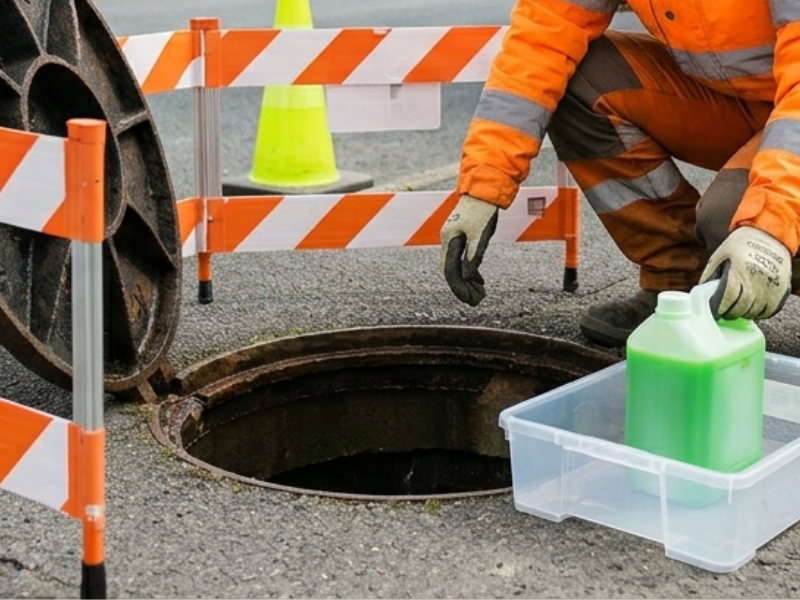
Drain dye testing, also known as tracing dye testing, is an efficient way to map the flow of water within a property's drainage system. By introducing a non-toxic, biodegradable dye into sinks, toilets or outdoor drains, professionals can track water movement through the network. This process helps uncover vital details about the system, such as how drains connect, pinpointing blockages and identifying any misdirected flows.
This technique is invaluable for confirming the interconnection of drains feeding into shared systems and for spotting issues, such as missed connections, where foul water might enter environmentally sensitive areas such as rivers or streams.
Additionally, dye testing can be combined with drain mapping to provide a more comprehensive view of property pipework and water flow patterns.
Key benefits of drain dye testing include its ability to:
- Locate cross-connections in pipework.
- Detect leaks or infiltration of rainwater into the system.
- Provide clear insights into how the overall drainage system operates.
Simple, environmentally friendly, and versatile, drain dye testing offers a reliable method for diagnosing and resolving drainage problems.
What is Drain Tracing Dye?
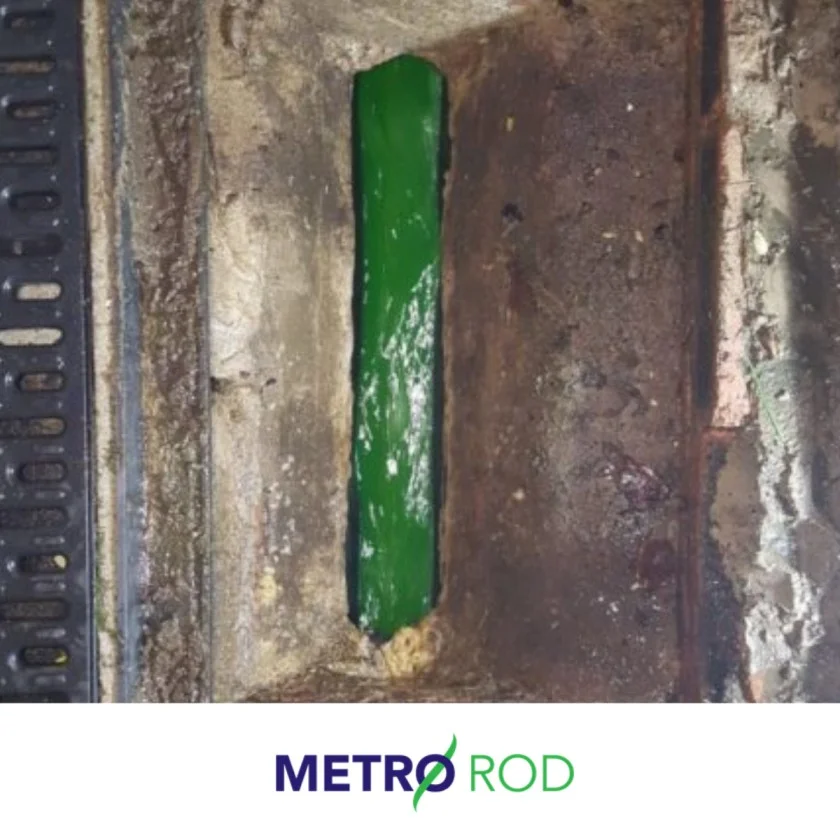
Drain dye is the concentrated tracing dye used to identify and track water flow through drains, pipes, and underground drainage systems. Available in a variety of colours, drain dyes make it easy to distinguish between different water sources around a home or commercial property. Fluorescent drain dyes are also an option; they glow under ultraviolet light, allowing for clear visibility even in low-light or night-time conditions.
When mixed with cold water, non-toxic drain tracing dye can be poured directly into sinks, toilets, or external drains. As the coloured solution moves through the pipework, it highlights the exact route water takes, making it an effective method for locating hidden or blocked drains. Powdered drain dye can be diluted to create a coloured or fluorescent trail that leaves a visible trace on any liquid it encounters, providing a simple and reliable way to trace drainage paths.
The Step-by-Step Drain Dye Testing Process
Our experts follow a simple process to ensure that the drain dye is used effectively and efficiently to help map your drains.
1. Prepare the dye solution: Begin by mixing a concentrated, non-toxic drain dye with cold water. This is typically done in a bucket to allow for precise pouring.
2. Add the dye to the water flow: Pour the dyed water into the drainage system. This can be done through entry points such as sinks, toilets or external drains to start the tracing process.
3. Inspect key access points: Identify and observe outside manholes or inspection ports along the drainage route to observe the dyed water as it progresses through the system.
4. Trace pipe connections: Monitor where the dyed water flows to identify which pipes are connected to specific starting points. This step is essential for understanding the layout and interconnectivity of the drainage network.
5. Identify leaks or issues: Pay close attention to any signs of leaks where the dye might seep out into surrounding areas. This helps pinpoint weakness or damage in the drainage system.
6. Map the entire drain system: Document the flow of water throughout the system, noting any slow flow, obstructions or problem areas. A detailed map of the drain layout is recorded for future repairs.
7. Repeat after repairs: Once the necessary fixes have been implemented, repeat the dye testing process. This ensures the repair work has successfully addressed the issues and confirms the system is functioning correctly.
By carefully following these steps, professionals can effectively map a property’s drainage system, detect underlying problems, and provide precise solutions to keep everything flowing smoothly.
Give the Drain Experts a Call
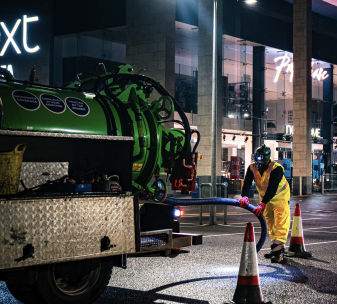
Dye testing is just one of the techniques Metro Rod uses to solve problems in your pipework and drainage system. We can combine it with our expert techniques to access any problem you may be having with your drains, ensuring the right solution is applied for a safe and effective result. This is a simple, quick, cost-effective and environmentally friendly technique for identifying the outfall of many drainage services.
If your home or business needs a professional and reliable drainage service, give us a call today on 0800 66 88 00. Our nationwide network of over 450 engineers is available around the clock, 365 days a year, for all your drainage needs.
Talk to your local Metro Rod specialist
We are always happy to arrange a free site assessment and no obligation quotations for any work you might need. Alternatively, you can call our emergency hotline number on 0800 66 88 00
Get in touch Drainage Services