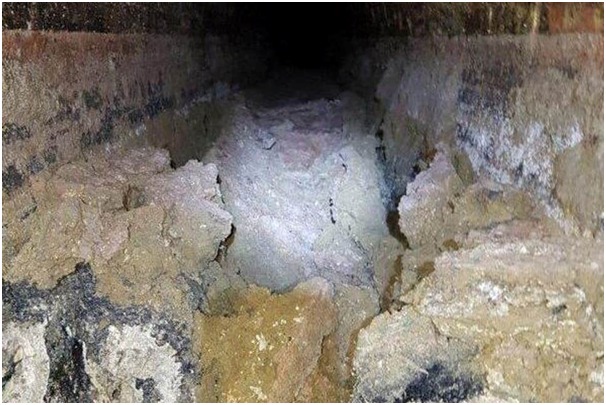
A fatberg is a dense, rock-like mass formed when fats, oils, and grease (often called FOG) and non-biodegradable items like wet wipes and plastics enter the drains, cool, and solidify. These blockages can grow to incredible sizes, clogging pipes, causing sewage overflows, and leading to costly repairs. But what exactly makes up these masses, and how can they be prevented? This guide explores everything you need to know about fatbergs, from their formation to the solutions for keeping your drainage system flowing smoothly.
What Causes a Fatberg?
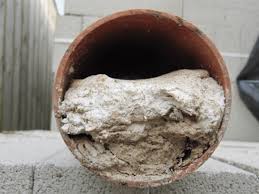
Any debris or non-biodegradable items, such as wet wipes or cotton swabs that have been incorrectly flushed, will latch onto the gunk already stuck in the pipe. When fats, oils, and grease (FOG) are poured down the drain, they cool and solidify, acting as a sticky binder for this debris. Over time, this build-up of waste enters the sewers, where it combines with similar waste from other properties, forming a dense, rock-like mass known as a fatberg.
How to Prevent Fatbergs?
Fatbergs are completely avoidable if you’re mindful about what you flush and pour down the drains. Here are 5 top tips for how you can avoid fatbergs:
Don't Pour Fats, Oils, or Grease Down the Drain
As fatbergs are primarily made up of congealed fat, oil, and grease, these substances must be disposed of responsibly. Rather than pouring these down your drain, wait for them to cool and solidify, then empty the contents into your food waste recycling bin, also known as a food caddy. Also, avoid mixing fats, oils and grease with washing-up liquid. Although you may think washing-up liquid helps break down these substances once they enter your drainage system, it doesn't.
Scrape Leftover Food in the Bin!
It's important to remove food from your plates or cutlery before washing them. A small piece of rice or pasta entering your drain may not seem like a big deal, but these little bits of food will accumulate over time and will only add to the existing blockage.
Install a Grease Trap
Fats, oils, and grease are among the most common causes of drain blockages within the hospitality sector. Grease traps capture fats, oils, and grease that are poured down the sink, preventing them from entering your drainage system. Over time, grease traps can clog and become saturated due to the accumulation of FOGS, so it’s important to have them emptied regularly to prevent disruption in your kitchen. Metro Rod offers grease trap cleaning and FOG removal services to ensure your kitchen stays operational.
Only Flush the 3 P's – Pee, Poo, Paper
Some of the most common items found in a fatberg are non-biodegradable, such as wet wipes, cotton wool or nappies, which are incorrectly flushed down the toilet. Typically, sanitary products, like tampons or nappies, are designed to absorb fluids. Once these items enter your drainage system, they absorb more water and expand. When they reach an existing fatberg, the mass increases and the problems worsen.
Regularly Maintain Your Drains
Drainage problems often arise under our noses and sometimes can be costly and time-consuming to fix. However, through regular drain maintenance, existing damages or potential hazards can be identified, helping you to avoid serious drainage problems further down the line.
How are Fatbergs Removed?
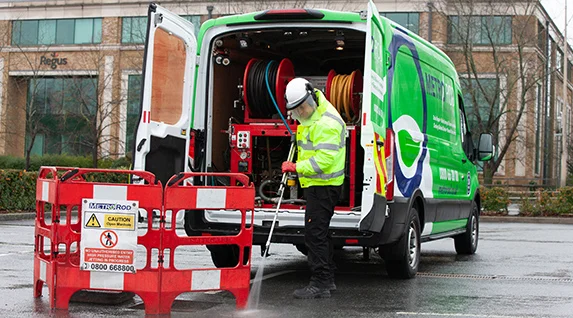
If a fatberg has formed and caused a blockage in a shared drain system or sewer, then it is the water authority’s responsibility to fix the problem. However, if a blockage has formed in your private drainage system, Metro Rod can help to fix the issue.
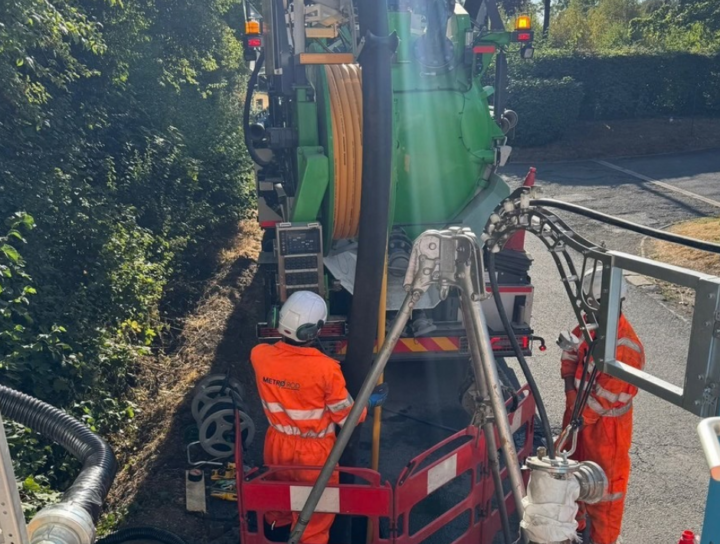
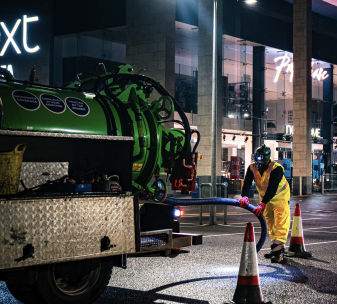
Initially, a CCTV drain survey is needed to identify if a fatberg is the culprit. If it is the cause of the blockage, a high-pressure drain jetting unit will be required to clear the fatberg from the drainage system. There are many types of specialist jetting nozzles, such as rotating or orbital chain flails, that are well-suited to break the fatberg down into small chunks, allowing it to flow through the system.
Call a Fatberg Removal Specialist
Fatbergs can be a real cause for concern if they are allowed to build up. At Metro Rod, we are experts in removing fatbergs. All our drainage engineers have the knowledge, skills, and experience to not only identify the cause of the blockage but also repair any damage to your drains and offer recommended next steps to prevent future disruption.
If you are experiencing a blockage and suspect it may be due to a fatberg, contact your local Metro Rod depot or call us on 0800 66 88 00.
Fatberg FAQs
Are fatbergs dangerous?
Yes, fatbergs are dangerous as they can cause serious blockages in sewer systems, leading to sewage overflows, environmental damage, and public health risks. They increase the likelihood of flooding and can disrupt wastewater treatment processes. On a smaller scale, they may also clog home and business drains, resulting in unpleasant backups. Proper disposal of fats, oils, and non-biodegradable waste is essential to prevent the formation of fatbergs and avoid these potential risks.
What are fatbergs made of?
Fatbergs are composed of fats, oils, and grease (often referred to as FOG), combined with non-biodegradable items like wet wipes, sanitary products, and other materials commonly flushed or poured down drains. Over time, these substances congeal and solidify, forming large, rock-like masses. The combination of organic and inorganic waste often creates a hard, stubborn blockage, making it difficult to remove once it has formed.
What does a fatberg look like?
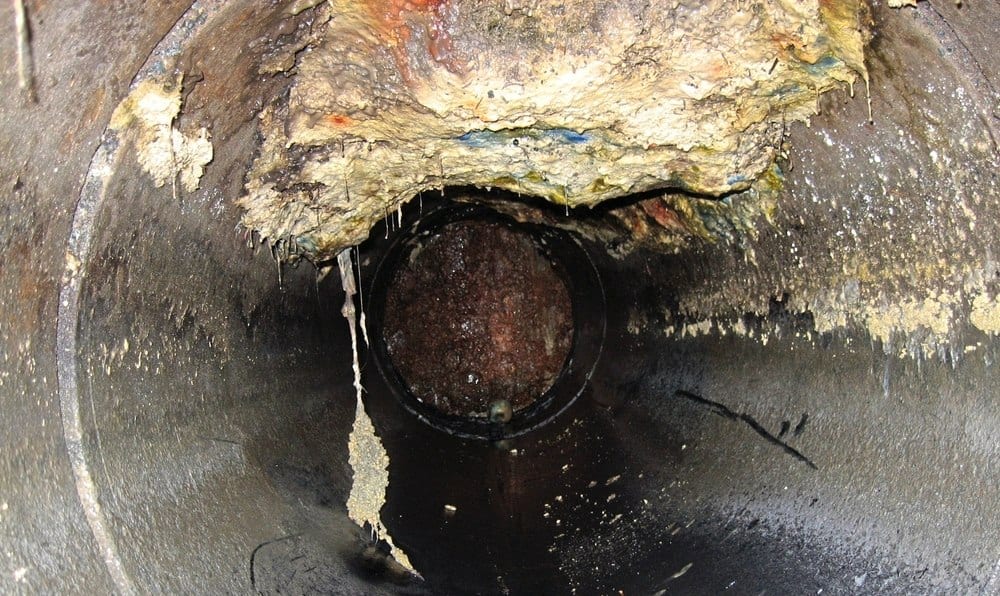
A fatberg typically appears as a large, lumpy, solid mass, often resembling compacted concrete. They can vary in size from small obstructions to massive blockages stretching several meters. Their colour tends to be greyish or off-white, with a foul odour due to the breakdown of organic material within the mass. While not visually appealing, their presence is an unmistakable sign of improper waste disposal.
Can you get fatbergs in home drains?
Yes, fatbergs can form in home drains when fats, oils, grease, or inappropriate items like wet wipes are washed down sinks or flushed down toilets. Over time, these substances accumulate and solidify, causing clogs in household plumbing systems.
Talk to your local Metro Rod specialist
We are always happy to arrange a free site assessment and no obligation quotations for any work you might need. Alternatively, you can call our emergency hotline number on 0800 66 88 00
Get in touch Drainage Services