Get Your Drainage Building Regulations Right!
Drainage might not be the most glamorous part of a building project, but getting it wrong can be costly, messy and even dangerous. In the UK, Building Regulations Part H governs the safe management of wastewater and rainwater.
Whether you’re planning a home extension, a new kitchen or a commercial development, understanding Building Regulations for drainage is essential. To help you navigate these rules, this guide breaks down the six sections of Part H and explains the necessary steps to ensure a compliant drainage system.
Contents:
- What is Part H of the Building Regulations?
- When You Need Building Regulations Approval
- Get Professional Help with Your Drainage
What is Part H of the Building Regulations?
Part H (which came into force on the 1st of October 2015) is the section of the Building Regulations that sets legal standards for drainage and waste disposal in buildings across England and Wales. Its purpose is to ensure that wastewater and rainwater are safely collected, transported and discharged from properties, thereby protecting public health and the environment.
Applying to both domestic and commercial buildings, the Building Regulations address a broad spectrum of drainage concerns – from the pipes inside a house to below-ground drainage systems, soakaways and treatment plants. These regulations are designed to keep systems safe, hygienic, durable and maintainable, reducing the risk of blockages, flooding or contamination.
Larger or more complex systems may need to follow British Standard BS EN 12056 for design and installation.
Section H1: Foul Water Drainage
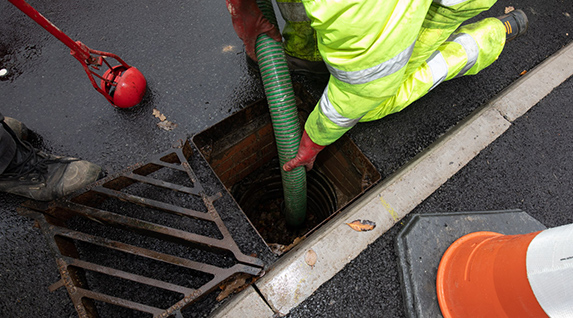 The first section of Part H emphasises that all buildings must have a suitable system for disposing of foul water (or wastewater) from toilets, bidets, sinks, showers, baths, dishwashers, washing machines and other plumbing fixtures. Part H ensures this wastewater is safely carried from buildings to a public or private sewer, septic tank or cesspool.
To comply with the Building Regulations for foul water drainage:
- Proper pipe/trap sizing and correct foul drainage falls to prevent blockages and overflows
- Adequate ventilation to avoid odours and pressure build-up
- Access points, like inspection chambers and manholes, for maintenance
- Use of approved materials such as uPVC, copper or cast iron
Section H2: Wastewater Treatment Systems & Cesspools
A public sewer is the preferred option for foul water disposal. If a connection to mains drainage isn’t available (typically in rural or remote areas), alternative solutions such as septic tanks, treatment plants and cesspools may be permitted under Part H of Building Regulations.
These systems must be carefully designed, constructed and located to protect public health and prevent contamination of nearby watercourses. Tanks should be appropriately sized for the number of users, impermeable to liquids and adequately ventilated, with safe access for emptying and ongoing maintenance.
Section H3: Rainwater Drainage
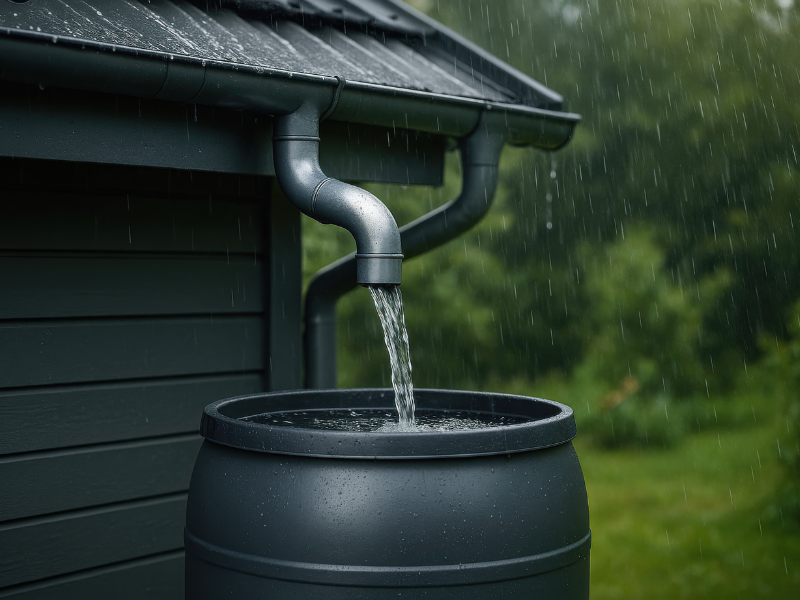
Section 3 sets out requirements for managing rainwater and surface water to prevent flooding and structural damage. It states that rainwater from roofs must be safely discharged to a suitable outlet, such as a soakaway, infiltration system, watercourse or surface water sewer.
Drainage must also be provided for paved areas around buildings, like patios and driveways, to ensure water doesn’t accumulate near the property. Gutters, downpipes and underground drainage systems should be correctly sized to handle rainfall levels typical across England and Wales.
Section H4: Building Over Sewers
The next section of Building Regulations Part H regulates construction carried out over or near public and private sewers.
Rules to be aware of include:
- Protecting sewer integrity: Structures and foundations must not damage or interfere with existing drains or sewers.
- Maintaining access: Adequate access must be retained for inspection, maintenance and repairs.
- Permission where required: Approval from the relevant water authority may be needed, particularly where large or deep sewers are involved.
Builders and developers should always confirm the location of nearby sewers (often through a drain mapping survey) before starting construction. Failing to follow these requirements can lead to structural problems, drainage issues or enforcement action.
Section H5: Separate Systems of Drainage
To prevent contamination and sewer overload, Part H requires foul and surface water to be managed through separate drainage systems wherever possible. Drainage must be correctly routed – with pipework designed, installed and clearly marked according to Building Regulations for drainage pipes – to ensure wastewater is properly treated and safely discharged.
The regulations also emphasise planning for new builds to ensure adequate infrastructure is in place to avoid overloading or flooding treatment plants. Following these guidelines ensures drainage systems are safe, efficient and sustainable long term.
Section H6: Solid Waste Storage
The final part of the drainage Building Regulations provides guidance on solid waste storage within buildings, covering bins, containers and refuse management. Storage facilities should be properly located, well-ventilated and easily accessible for collection and maintenance. Systems must prevent contamination, deter pests and minimise odours, while complying with local authority hygiene standards. Effective design ensures properties remain clean and safe while meeting regulatory requirements.
When You Need Building Regulations Approval
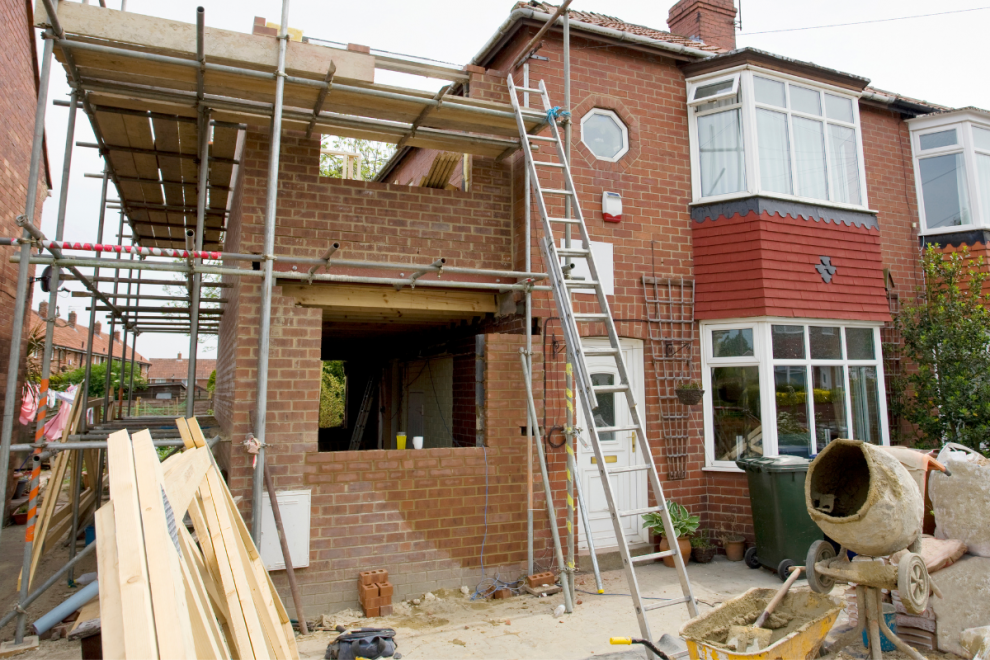
Compliance with Part H of Building Regulations is required for any project that affects a building’s drainage – even minor projects like adding a new bathroom, kitchen or utility room. Following these regulations ensures drainage systems are safe, hygienic and legally compliant, helping you avoid costly remedial work, failed inspections or enforcement action.
You must consider compliance if you are:
- Building a new property
- Extending your home or altering rooms with plumbing (kitchens, bathrooms, utility rooms)
- Installing, relocating or connecting drains, pipes or appliances
- Connecting to a new or existing sewage system, septic tank or sewage treatment system (e.g., new drainage field or outfall)
All new builds, extensions and alterations affecting drainage must conform to the regulations and be signed off by a Building Control Officer (BCO) or inspector. Because drainage design can be complex, it’s strongly recommended to work with a qualified drainage specialist to ensure your project meets both legal standards and practical performance requirements.
Get Professional Help with Your Drainage
Getting drainage right is essential to protect your property, comply with the law, and reduce long-term maintenance issues. Whether you’re planning a new build, extension or renovation, our experienced engineers can guide you through every stage to ensure your project meets Part H requirements.
Our services include:
- Design and planning of drainage systems in line with Part H regulations
- Installation oversight and compliance checks to ensure your project is correctly implemented
- Emergency or remedial drainage support to resolve issues quickly and safely
Available 24/7/365, contact us today to speak with a specialist and make sure your drainage systems are safe, compliant and efficient.
Talk to your local Metro Rod specialist
We are always happy to arrange a free site assessment and no obligation quotations for any work you might need. Alternatively, you can call our emergency hotline number on 0800 66 88 00
Get in touch Drainage Services