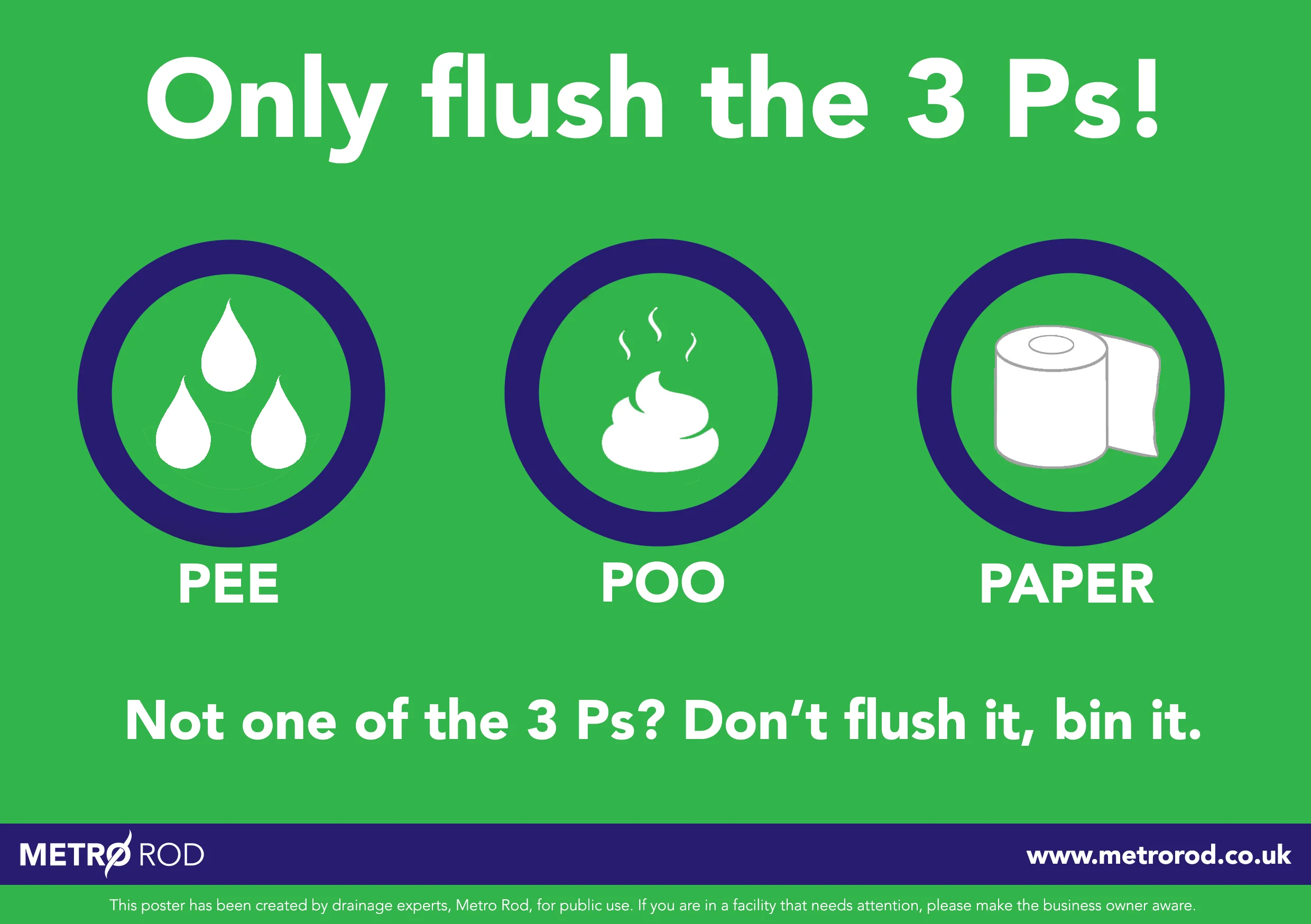
Blocked drains can cause major headaches for businesses, from operational disruptions to unhappy customers. If you’re wondering, “Can you flush tampons?” or “Can you flush kitchen roll?”, the short answer is no! Toilets are not designed to handle anything beyond the 3 Ps – pee, poo, and toilet paper. Flushing the wrong items can lead to clogs, expensive repairs, and even non-compliance with health and safety regulations. Let’s explore ten common items that should never be flushed, and how businesses can keep their drains trouble-free.
Tampons
Flushing tampons might seem like a discreet solution, but for businesses with high restroom traffic – like offices, gyms, or hospitality venues – it’s a disaster waiting to happen. Tampons are designed to absorb liquid and expand, but they don’t break down in water. This makes them a leading cause of blockages, leaving toilets out of action and disrupting operations. Plus, flushed tampons contribute to environmental pollution. The fix? Provide sanitary bins in restrooms and add clear signage to remind users to bin them, not flush them.
Kitchen roll
Can you flush kitchen roll? Absolutely not, and here’s why. Unlike toilet paper, which breaks down quickly in water, kitchen roll is built for strength and durability. Flushing it can lead to clogs, especially in busy facilities. Encourage staff and visitors to bin kitchen roll instead of flushing it. Regular maintenance checks on your drainage system can also help catch any issues before they escalate.
Condoms
Flushing condoms in high-use commercial facilities like hotels and public restrooms is a definite no-go. Made from durable materials like latex, condoms don’t break down in water. They can clog pipes or, worse, float back up – and no one wants that! To avoid blockages and embarrassment, install discreet disposal bins in restrooms and make sure users know how to use them. It’s a small step that can save you a lot of hassle and keep your facilities running smoothly.
Tissues
Just like kitchen roll, tissues and other toilet paper alternatives belong in the bin, not the toilet. Items like napkins, tissues, and industrial blue roll might seem like good substitutes, but they’re not designed to break down like toilet paper. Their absorbent materials take much longer to decompose, making blockages far more likely. Keep it simple: bin it, don’t flush it.
Hair
Can you flush hair down the toilet? It may seem harmless, but if your business has showers or salon facilities – like gyms, spas, or hairdressers – hair is a top culprit for plumbing problems. Hair doesn’t break down in water and quickly builds up in pipes, tangling with soap residue and debris to create stubborn blockages. Installing hair traps in shower and sink drains, and cleaning drains regularly, is a simple but effective way to prevent plumbing headaches. Trust us, a little prevention goes a long way!
Wet wipes
Wet wipes, including baby wipes and even those labelled as "flushable," are one of the biggest culprits behind blocked drainage systems. These wipes are frequently used in restaurants, retail outlets, and event spaces for quick clean-ups, but they don’t break down like toilet paper. Instead, they collect and cause stubborn blockages that can shut down facilities during business hours. Metro Rod can help with tailored maintenance plans to keep your drains free of these common offenders.
Dog poop
In dog-friendly workplaces, managing dog waste responsibly is key to maintaining a clean and healthy environment. Flushing dog poop down the office toilet might seem like a quick fix, but it’s a bad idea. Like cat waste, dog poop can carry harmful parasites and bacteria that sewer systems aren’t equipped to handle, potentially contaminating the water supply. And if dog waste bags are used, they pose an even greater risk as they aren’t designed to break down in water. The best practice? Always bag dog waste securely and dispose of it in the general waste bin.
Food
Flushing food down the toilet might seem harmless, but it’s a surefire way to block your pipes. Food doesn’t break down in water the same way human waste does, and greasy or fatty scraps can solidify, causing stubborn clogs. Whether it’s leftovers, peelings, or even small scraps, always use the bin or compost instead.
Nappies
Many are surprised to learn that nappies frequently clog drains. Designed to soak up liquid and expand, they’re simply too bulky to navigate plumbing systems. Flushing them can lead to instant blockages or even cause serious damage to sewer lines. For businesses like shopping centres, family-friendly restaurants, or healthcare facilities, having accessible nappy disposal bins in all restrooms is a simple yet effective solution. Not only does it protect your plumbing, but it also shows your dedication to keeping your facilities running smoothly and welcoming for everyone.
Bleach
Bleach might be a go-to for tackling grime, but incorrect use can wreak havoc on your plumbing. When poured down drains in large amounts, it can corrode pipes over time. Plus, bleach disrupts the natural bacteria in sewer systems that help break down waste, creating bigger problems for wastewater treatment.
For businesses like hospitality venues or office buildings, where cleaning is constant, overusing harsh chemicals can also clash with environmental regulations. A smarter approach? Dilute bleach and use it sparingly, or try natural alternatives like bicarbonate of soda and vinegar for an eco-friendly clean.
How Metro Rod Can Help
Proper waste disposal isn’t just about avoiding blocked pipes; it’s about maintaining smooth operations and meeting compliance standards. Equip your commercial space with adequate disposal facilities and consider implementing a regular drain maintenance plan. Need emergency support? Metro Rod’s expertise is just a call away, helping you keep your systems flowing freely and your business running smoothly.
Contact your local Metro Rod team today to learn more about our commercial drainage services and how we can support your business!
FAQs
How to unblock a kitchen roll from a toilet?
To unblock a toilet clogged with kitchen roll, stop flushing and try these steps:
- Use a plunger to create pressure to shift the blockage.
- Insert a drain snake or unbent wire hanger to dislodge or remove the clog.
- Pour hot (not boiling) water combined with washing-up liquid to soften it.
Do not flush kitchen roll, as it does not dissolve like toilet paper and can easily cause toilet blockages. If the toilet remains blocked after trying these steps, it’s best to contact a professional plumber.
Is it illegal to flush cat poop in the UK?
It’s not illegal to flush cat poop in the UK, but it’s highly discouraged. Flushing cat waste risks causing serious plumbing issues, as cat litter clogs pipes, and environmental damage because pathogens like Toxoplasma gondii can harm marine life. For proper cat waste disposal, always bag it up and bin it, or consider composting with approved systems if permitted locally. Protect your plumbing and the environment by keeping cat waste out of the toilet.
Was it ever okay to flush tampons?
While some may have believed it was okay to flush tampons in the past, it has never been a safe or recommended practice. Tampons don’t break down in water, leading to serious plumbing risks, including blockages and damage to sewer systems. Flushed tampons can also contribute to environmental pollution. Always dispose of tampons in the bin; it’s the safest way to protect your plumbing and the planet.
What happens if I accidentally flush a tampon?
If you accidentally flush a tampon, it could lead to blockages or damage in your plumbing and sewer systems, as tampons don’t dissolve in water. Signs of a blockage include slow drainage or toilet backups. Avoid further flushing and look out for any issues. If needed, you can contact a drainage professional to resolve the problem safely. To prevent future problems, always dispose of tampons in the bin, not the toilet.
Does biodegradable mean you can flush?
No, biodegradable doesn’t mean flushable. Biodegradable wipes often don’t break down fast enough in water, leading to sewer clogs. Biodegradable refers to breaking down over time in soil or landfill, while flushable means disintegrating quickly like toilet paper.
Can one baby wipe clog a septic system?
Yes, even one baby wipe can clog a septic system. Unlike toilet paper, baby wipes don’t dissolve in water and can cause blockages in plumbing or damage to your septic tank. Over time, they can accumulate and lead to costly repairs. Always dispose of baby wipes in the bin to protect your septic system and prevent plumbing issues.
Are there any flushable condoms?
No, there are no flushable condoms. Condoms are not designed to break down in water and can cause serious plumbing blockages and damage to sewer systems. Flushing them may also contribute to environmental harm. For proper condom disposal, always wrap them in tissue or a biodegradable bag and bin them.
Can I flush old soup down the toilet?
Flushing old soup down the toilet is not recommended. The fats, oils, and food particles in soup can solidify and cause blockages. These materials also harm septic systems and sewer networks. Instead, pour old soup into a compost bin if suitable or dispose of it in your general waste.
Can you flush a bowl of cereal down the toilet?
Flushing cereal down the toilet is never a good idea. Cereal absorbs water and can expand, blocking your pipes and causing expensive plumbing problems. It may also disrupt sewer systems, creating unnecessary damage. Instead, pour leftover cereal into a compost bin if suitable or dispose of it in your general waste. Protect your plumbing by keeping all food waste, including cereal, out of your toilets.
Can you be prosecuted for flushing wet wipes?
In the UK, flushing wet wipes can be illegal under the Water Industry Act 1991 if they cause blockages or damage. While prosecutions against households are rare, water companies may recover costs, and businesses are fined more often. Even wipes labelled “flushable” can cause serious blockages, so stick to binning wipes and not flushing them.
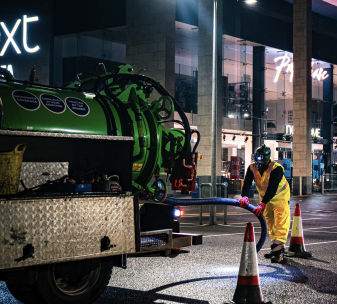
Talk to your local Metro Rod specialist
We are always happy to arrange a free site assessment and no obligation quotations for any work you might need. Alternatively, you can call our emergency hotline number on 0800 66 88 00
Get in touch Drainage Services