Identifying Problems Before They Escalate
Pump stations play a critical role in moving wastewater and surface water safely through drainage networks. When they fail, the consequences can be significant, including flooding, environmental incidents, service disruptions and costly emergency repairs.
While many pump station failures appear sudden, they are often the result of developing issues that could have been identified earlier through effective pump station maintenance. Regular inspections and servicing help operators detect wear, performance issues and potential faults before they escalate into major problems.
Understanding the most common causes of pump station failure can help asset owners reduce risk, improve reliability and extend the lifespan of their equipment.
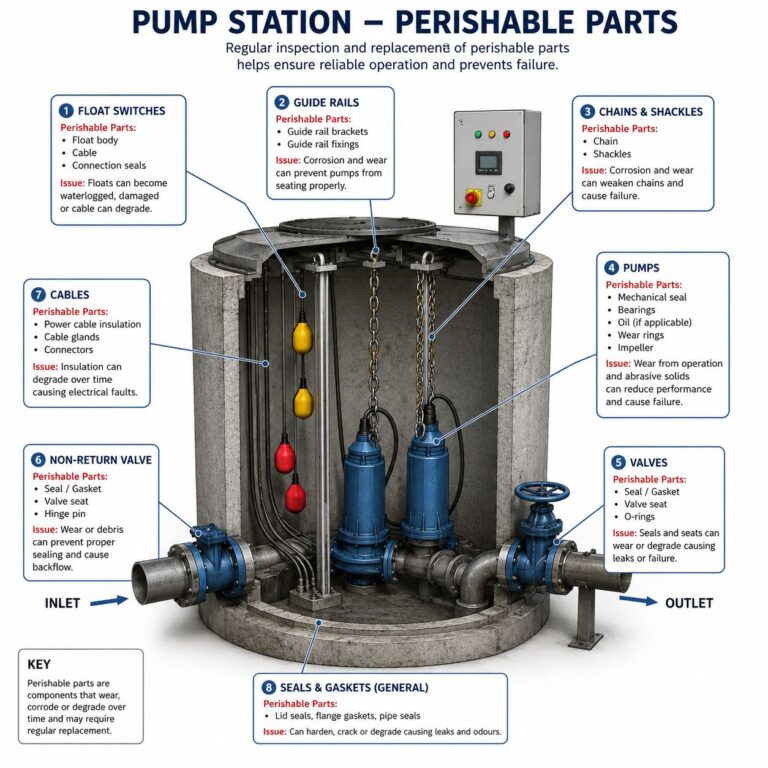
Why Pump Stations Fail
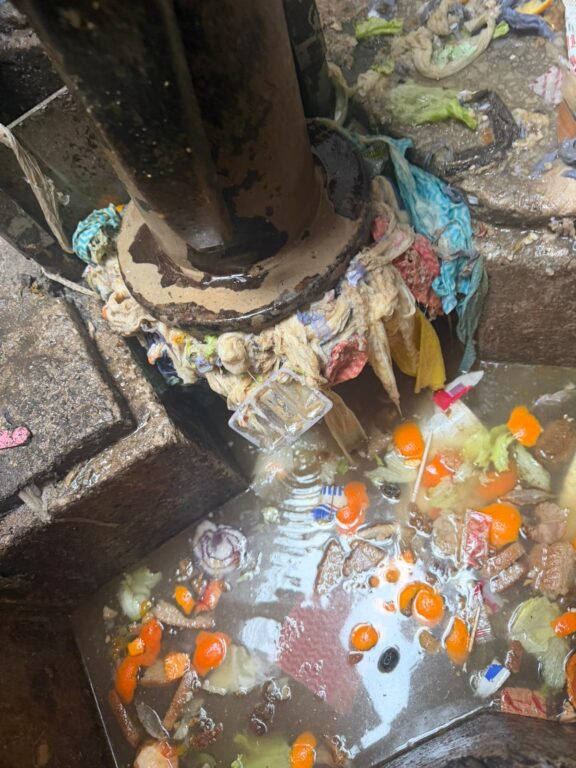 Pump stations operate in demanding conditions. Constant exposure to wastewater, solids, grease, debris and corrosive environments places considerable strain on both mechanical and electrical components.
Over time, pumps and associated equipment can suffer from:
- General wear and tear
- Corrosion
- Blockages
- Electrical faults
- Excessive vibration
- Poor maintenance practices
A planned maintenance programme allows these issues to be identified and addressed before they impact performance.
Mechanical Seal Failure and Water Ingress
One of the most common causes of pump failure is deterioration of mechanical seals.
Mechanical seals are designed to prevent wastewater from entering the motor chamber. However, prolonged operation, abrasive solids and chemical exposure can gradually affect their performance.
When mechanical seals begin to fail, water can enter areas of the pump that should remain dry, potentially leading to:
- Motor damage
- Electrical faults
- Reduced efficiency
- Unexpected pump downtime
Routine inspections help identify worn mechanical seals before they lead to more extensive repairs.
Worn Pump Bearings and Increased Vibration
Pump bearings are essential for maintaining smooth and efficient pump operation. As bearings wear, they can create excessive movement within the pump assembly, increasing stress on other components.
Common warning signs include:
- Increased vibration
- Grinding or unusual noises
- Elevated operating temperatures
- Reduced performance
If left unaddressed, worn pump bearings can contribute to shaft damage, seal failure and, ultimately, complete pump breakdown.
Monitoring vibration levels and bearing condition is an important part of any pump station maintenance strategy.
Non-Return Valve Problems and Backflow Risks
A non-return valve helps ensure wastewater flows in the correct direction through the system. When functioning correctly, it prevents reverse flow and protects pumps from unnecessary strain.
Over time, debris accumulation, corrosion and component wear can prevent a non-return valve from sealing properly.
This can result in:
- Backflow within the network
- Increased pumping requirements
- Water hammer
- Excessive pump cycling
Regular inspection and testing help ensure every non-return valve continues to operate effectively and provides the protection the system requires.
Pump Float Switch Failures
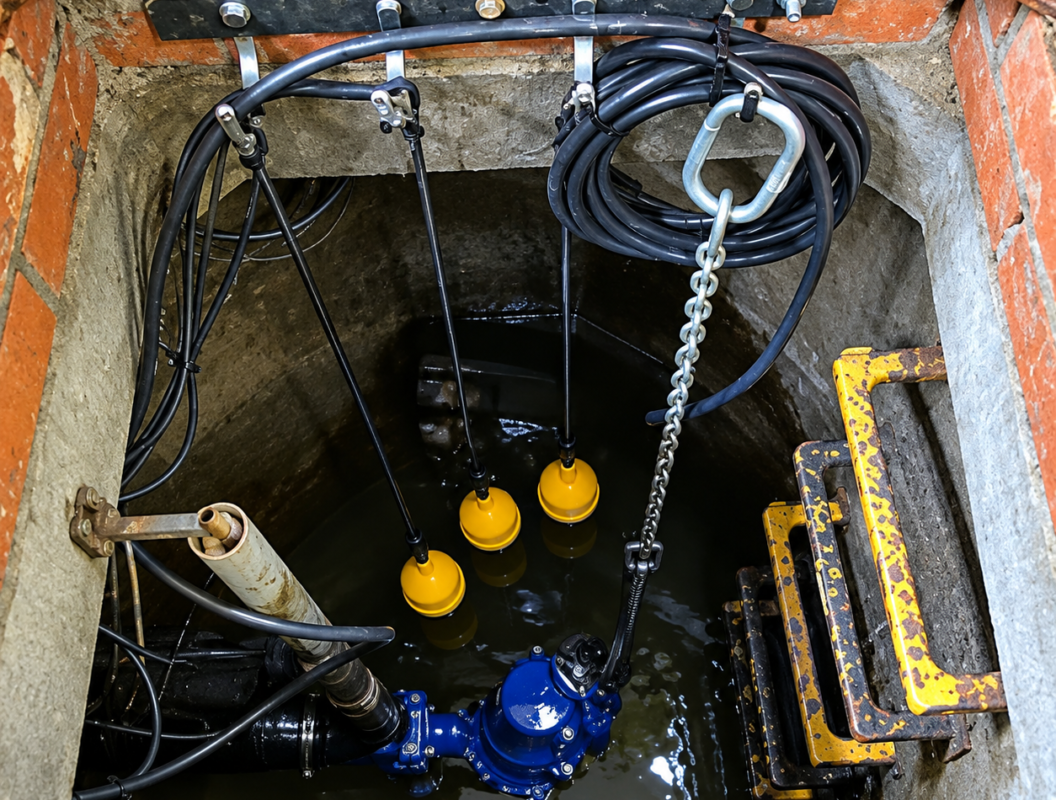
A faulty pump float switch is one of the most common causes of pump station call-outs.
Float switches control when pumps start and stop based on liquid levels within the chamber. In wastewater environments, grease build-up, ragging and debris can interfere with their operation.
When a pump float switch stops functioning correctly, pumps may:
- Fail to activate when required
- Operate continuously
- Stop prematurely
- Cycle too frequently
These issues can increase wear throughout the system and raise the risk of flooding or overflow incidents.
Routine testing helps ensure float switches and level controls remain reliable.
Impeller Damage Caused by Solids and Debris
Wastewater often contains solids, grit and debris that can affect pump performance over time.
The impeller is particularly vulnerable because it is responsible for generating the flow required to move wastewater through the system.
Common causes of impeller damage include:
- Ragging from wipes and fibrous materials
- Abrasion from grit and solids
- Corrosion
- Repeated blockages
A damaged impeller may reduce flow rates, increase energy consumption and place additional strain on the pump.
Regular inspections help identify wear before performance deteriorates significantly.
Electrical and Control System Issues
Not all pump station failures are mechanical.
Electrical components, control panels, alarms, level sensors and communication equipment all play a role in keeping a pump station operational.
Problems can occur due to:
- Water ingress
- Corroded connections
- Damaged cables
- Sensor failures
- Power supply issues
During planned maintenance visits, engineers should inspect both mechanical and electrical systems to ensure the entire station continues to operate reliably.
Hidden Assets That Are Often Overlooked
While pumps typically receive the most attention, several other assets within a pump station require regular inspection.
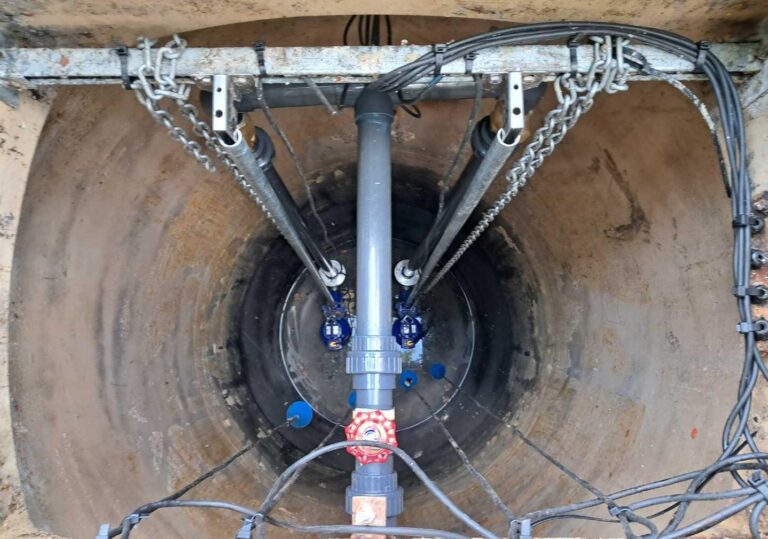
These include:
- Guide rails
- Lifting chains
- Pipework connections
- Cable glands
- Isolation valves
- Access covers and chambers
Although these components may not directly affect pumping performance, deterioration can create safety risks and complicate future maintenance activities.
The Role of Planned Pump Station Maintenance
Most pump station failures do not happen overnight. Components often show signs of deterioration long before they fail completely.
A proactive pump station maintenance programme allows engineers to identify developing issues, replacing worn components before they impact service reliability.
Regular inspections can help prevent problems associated with:
- Mechanical seals
- Pump bearings
- Non-return valves
- Pump float switches
- Impellers
- Electrical controls
By addressing issues early, organisations can reduce emergency call-outs, minimise downtime and improve the long-term performance of their assets.
Expert Pump Station Maintenance from Metro Rod
At Metro Rod, we help businesses maintain reliable wastewater and drainage infrastructure through planned pump station maintenance, inspections and reactive support.
Our specialist engineers can identify wear, diagnose faults and carry out preventative maintenance to help keep your pumping systems operating efficiently. From investigating issues with a pump float switch to servicing non-return valves, replacing mechanical seals or assessing pump bearings, our team provides the expertise needed to keep critical assets performing at their best.
To discuss your pump station maintenance requirements, contact your local Metro Rod team today.
Talk to your local Metro Rod specialist
We are always happy to arrange a free site assessment and no obligation quotations for any work you might need. Alternatively, you can call our emergency hotline number on 0800 66 88 00
Get in touch Drainage Services