How Rainwater Harvesting Works
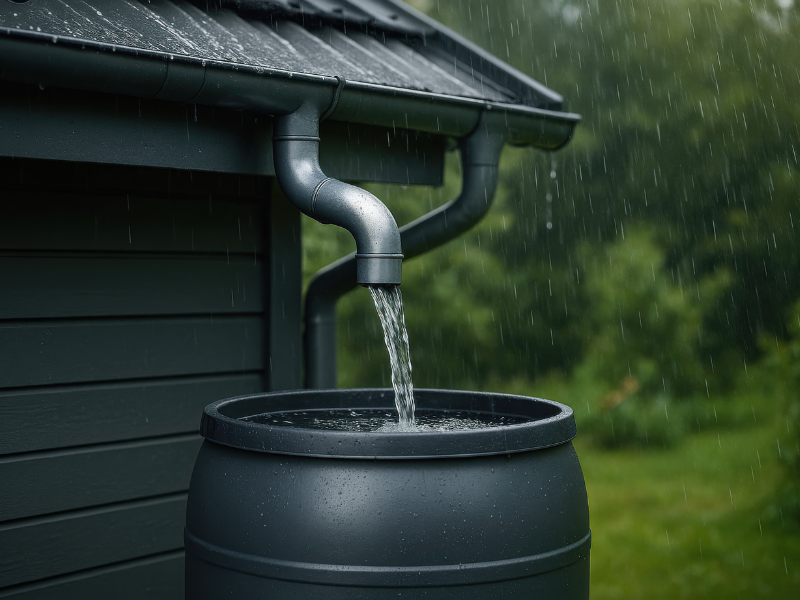
Rainwater harvesting is a smart and sustainable way to make the most of a natural resource. By collecting rainwater from your roof and storing it in purpose-built tanks, you can reduce water usage, lower utility bills and support eco-friendly practices. This approach not only eases pressure on local water supplies but also helps you prepare for periods of low rainfall.
There are three main types of rainwater harvesting systems, each designed to meet different needs. Choosing the right system ensures maximum efficiency, helping homes and businesses save water and money while benefiting the environment.
What are the Three Types of Rainwater Harvesting Systems?
Rainwater harvesting systems vary in design and scope, allowing you to select a setup tailored to your property. Here, we break down the three primary types of systems and explain how they work.
Basic Rainwater Harvesting System
A basic system is a simple, entry-level solution for smaller-scale water collection. This type typically includes stands and water butts, which can store up to 400 litres depending on the material. These systems are versatile, often using freestanding water butts or submersible pumps for distributing collected water.
Ideal for residential properties, a basic system is cost-effective and straightforward to install, making it an excellent choice for conserving water and reducing reliance on the mains supply.
To keep your system running efficiently, it’s essential to maintain clean gutters. Our gutter cleaning services help ensure rainwater flows freely into your collection system, avoiding blockages or debris build-up.
Above–Ground Rainwater Harvesting System
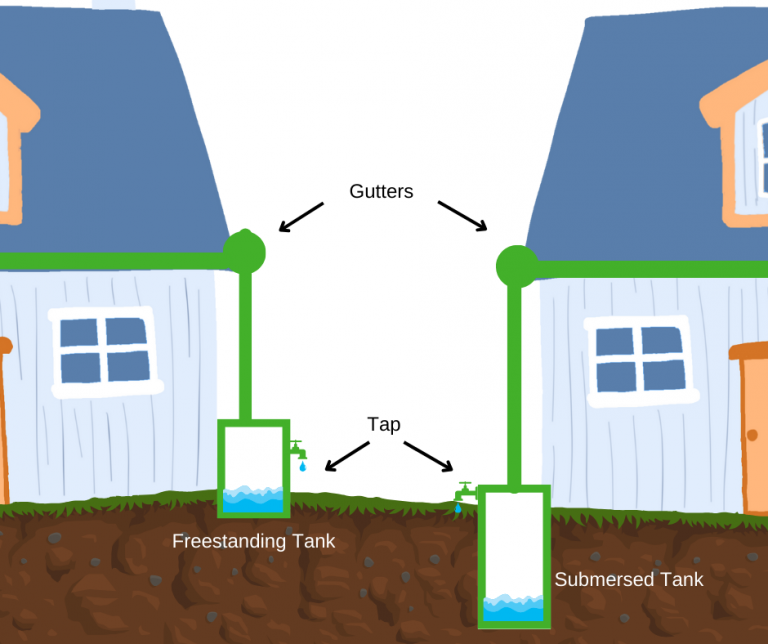
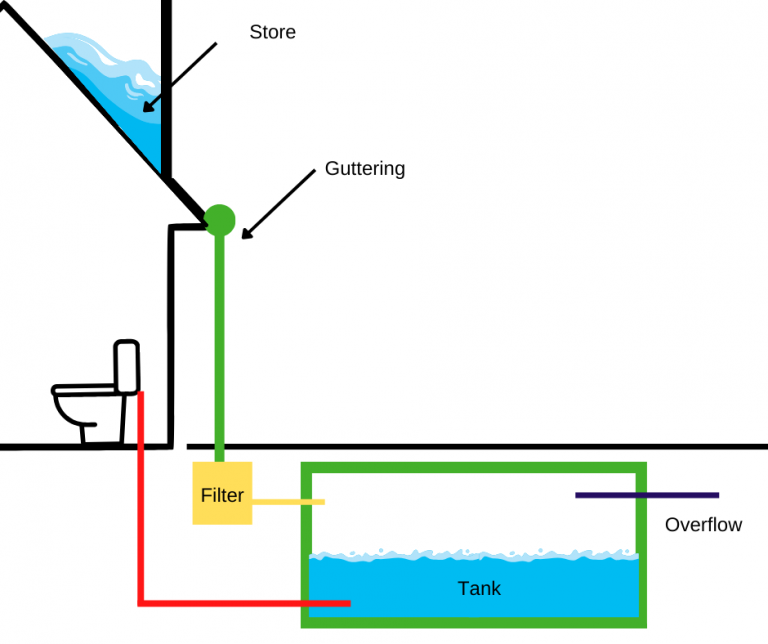
Above-ground rainwater harvesting systems combine flexibility and ease of installation. They range in size from 800 litres to 100,000 litres, making them suitable for residential, commercial and industrial use. Whether you need a small setup for garden watering or a large system for business operations, these scalable designs offer plenty of options.
The above-ground design simplifies maintenance and allows for easy inspections. Plus, you can select materials and tank capacities to meet your specific needs.
At Metro Rod, our drain mapping services help identify the best connection points for your system. This ensures it integrates seamlessly with existing infrastructure and operates at peak efficiency.
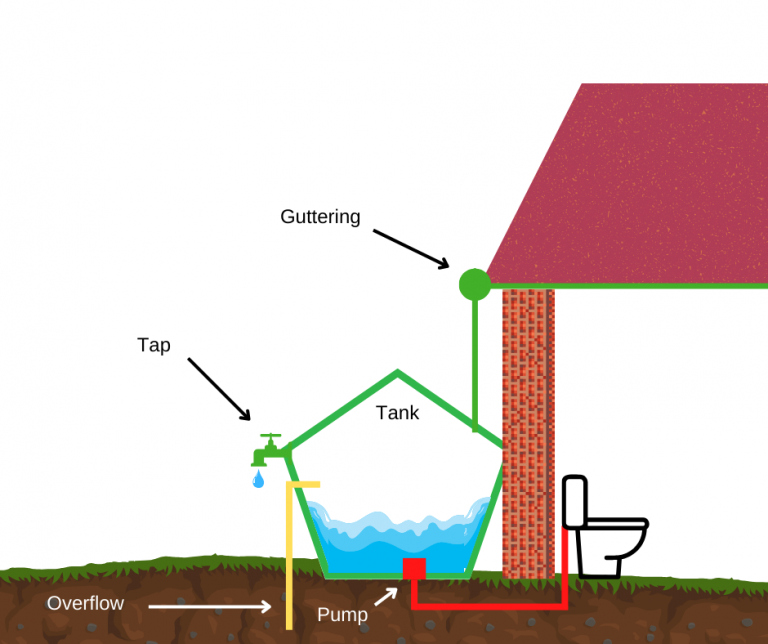
Underground Rainwater Harvesting System
When outdoor space is limited, underground rainwater harvesting systems provide an efficient and discreet solution. These systems are installed underground, requiring some excavation to house the tank. A pump is typically used to distribute the harvested water, ensuring it remains easily accessible for use. Our team at Metro Rod ensures your system operates efficiently with professional pump maintenance.
While the upfront installation may demand additional time and resources, underground systems are highly efficient and have the added benefit of being out of sight, making them ideal for properties looking to maximise surface space.
The Advantages and Disadvantages of Rainwater Harvesting
Rainwater harvesting is a widely recognised way to manage water resources sustainably. However, like any system, it comes with both benefits and challenges. Below, we explore the advantages and disadvantages of rainwater harvesting in detail.
Benefits of Rainwater Harvesting
- Free water supply
Rain is a renewable and natural source of water that, once collected, requires minimal filtration for many uses. By harvesting rainwater, you can reduce your reliance on mains water while cutting your utility bills over the long term.
- Simple installation
Depending on the type of system you choose, installing a rainwater harvesting setup can be relatively straightforward. For example, aboveground systems are quick to install and require little disruption to your property.
- Environmentally friendly
Using harvested rainwater conserves local water supplies and lowers your carbon footprint by reducing your reliance on energy-intensive supply methods.
- Flood and soil erosion control
Collecting rainwater helps prevent surface water accumulation, reducing the risks of flooding and soil erosion. Looking to manage surface water better? Metro Rod’s flood prevention services can help you safeguard your property.
- Groundwater preservation
Harvesting rainwater eases the demand on groundwater reserves, which often take years to replenish. By opting for a rainwater system, you’re actively helping to preserve vital underground aquifers.
Challenges of Rainwater Harvesting
- Dependence on the weather
The effectiveness of a rainwater harvesting system depends heavily on local weather patterns. If your area experiences periods of low rainfall, the system may not provide a consistent water supply.
- Tank size and space requirements
Storage tanks can consume significant space, which may be a concern for smaller properties. Careful planning is required to find suitable locations.
- High initial cost
The setup of a rainwater harvesting system often comes with high upfront costs. These include purchasing tanks, pumps and filtration units, as well as any necessary installation work. However, long-term savings most often offset these expenses.
- Specialised installation
Many rainwater harvesting systems, especially underground ones, require professional installation as excavation work and pump fitting require specialised skills.
- Ongoing maintenance
Once installed, the system needs regular maintenance to remain functional. This includes cleaning gutters, filters and tanks to prevent blockages or contamination. Neglected systems can reduce efficiency and lead to additional repair costs. Metro Rod can support you with expert maintenance services, ensuring your system stays in optimal condition and avoids costly repairs.
By balancing the advantages and disadvantages of rainwater harvesting, you can determine if this sustainable water management solution is the right fit for your property.
FAQs
Is rainwater harvesting legal in the UK?
Yes, rainwater harvesting is completely legal in the UK and is actively encouraged to conserve water and help the environment. If you’re unsure about installation guidelines for your system, especially for non-drinking uses, seeking professional advice is always recommended.
Is rainwater harvesting worth the investment?
Rainwater harvesting delivers long-term benefits such as cost savings, sustainable water management and access to an independent water source. While there may be an initial expense, the environmental and financial returns often outweigh the input, especially in areas where rainfall is sufficient.
What are the arguments against rainwater harvesting?
Critics often point to high installation costs, the need for maintenance, and dependency on rainfall as potential challenges. However, with proper planning, these issues can be managed effectively. Professional installation and ongoing upkeep can significantly enhance the system’s performance and reliability.
Which is the cheapest method of rainwater harvesting?
The cheapest method is surface runoff harvesting, which involves collecting rainwater from ground-level areas like driveways or gardens. This method requires minimal infrastructure, usually just a storage tank and basic piping, making it a budget-friendly option. It is ideal for properties looking to reduce costs while managing water runoff efficiently.
Talk to your local Metro Rod specialist
We are always happy to arrange a free site assessment and no obligation quotations for any work you might need. Alternatively, you can call our emergency hotline number on 0800 66 88 00
Get in touch Drainage Services