How Private Drainage Regulations Impact Property Transactions
Buying, selling, or lending on a property with private drainage comes with risks that are often overlooked until it’s too late. A pre-purchase drain and septic tank survey helps uncover hidden issues early, ensuring confident, delay-free property transactions and protecting everyone involved, from buyers and sellers to mortgage advisors and developers.
With over 500,000 UK properties relying on private drainage systems, understanding what lies beneath the surface is now a critical part of due diligence.
Why Pre-Purchase Drain Survey Matters More Than Ever
Private drainage systems, including septic tanks and underground pipework, are regulated by the Environment Agency’s General Binding Rules. If a system does not comply, responsibility and potentially significant costs pass directly to the new owner.
Non-compliant or failing drainage systems can lead to:
- Legal action for environmental pollution
- Reduced property value
- Costly upgrades or repairs
- Delays or failed property sales
- Mortgage approval issues
Identifying problems before contracts are signed allows issues to be resolved early, avoiding last-minute complications that can put entire transactions at risk.
Who Benefits from a Pre-Purchase Drain & Septic Tank Survey?
Home Buyers
For buyers, drainage issues can be one of the most expensive and unexpected surprises after purchase. Benefits include:
- Confidence that the drainage system is compliant and fit for purpose
- Early identification of hidden defects or repair needs
- Leverage in price negotiations if issues are found
- Protection from unexpected legal or environmental liabilities
Home Sellers
Sellers benefit from clarity and transparency early in the sales process. Benefits include:
- Address drainage concerns before they become deal-breakers
- Reduce buyer uncertainty and renegotiation requests
- Speed up conveyancing
- Demonstrate due diligence to solicitors and lenders
Mortgage Advisors
Supporting better lending decisions is essential. Drainage surveys help:
- Reduce lending risk
- Identify compliance issues early
- Support accurate property valuations
- Prevent delays at the offer or completion stage
Estate Agents
A smoother transaction protects your reputation and your pipeline:
- Address drainage concerns upfront
- Reduce fall-throughs
- Keep chains moving
- Provide reassurance to buyers and solicitors
Property Developers & Investors
Hidden drainage defects can significantly impact budgets:
- Buy with confidence
- Uncover costly underground issues
- Avoid unexpected remediation costs
- Fully understand the asset before purchase
What’s at Stake When Drainage Is Overlooked?
Many drainage systems were installed decades ago, before current regulations were introduced. Property extensions, increased occupancy, or poor maintenance can all push systems beyond their intended capacity, without visible warning signs.
If defects or compliance issues are discovered late in the process, buyers may face:
- Urgent repair demands
- Price renegotiations
- Legal delays
- Withdrawal of mortgage offers
A professional survey reduces these risks by providing clear, documented evidence of the system’s condition and suitability.
What Does a Metro Rod Pre-Purchase Survey Include?
 Our drain, septic tank and sewage treatment plant survey includes:
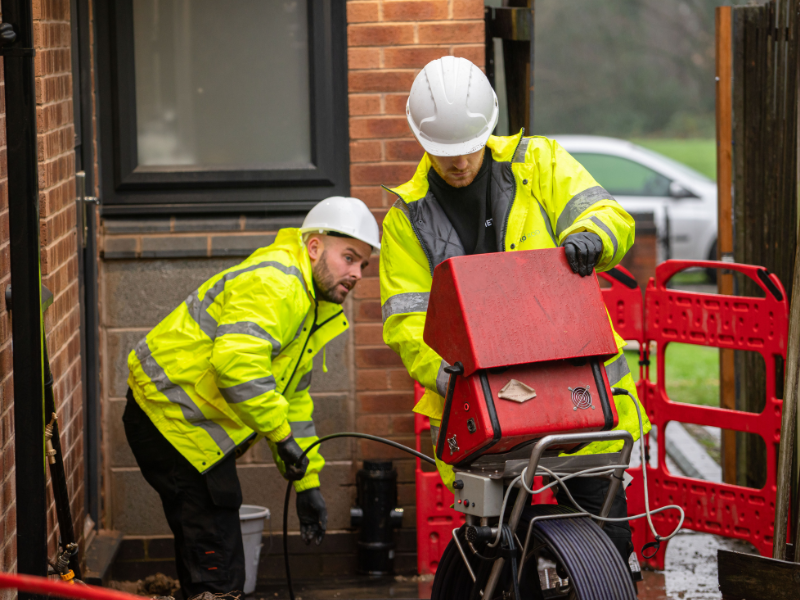
CCTV Drain Survey
Using advanced camera technology, we assess underground pipework for:
- Cracks and structural damage
- Root ingress
- Collapsed or misaligned drains
- Poor flow or blockages
Septic Tank Inspection
Our engineers assess:
- System age and type
- Structural condition
- Signs of leakage or failure
- Compliance with General Binding Rules
Clear Reporting & Recommendations
You’ll receive a detailed written report, including:
- Survey findings
- CCTV footage
- Drainage mapping (where applicable)
- Clear guidance on any remedial works required
This documentation is invaluable for buyers, sellers, solicitors, and lenders alike.
Understanding the General Binding Rules: What Makes a Septic Tank Compliant?
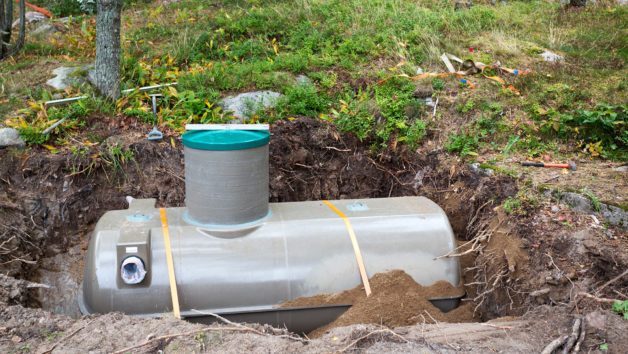
Many buyers are unaware that septic tanks are legally regulated. To comply with the General Binding Rules, a system must meet several key requirements, including:
- No direct discharge to a watercourse (such as a stream or river)
- Effluent must discharge to a properly designed drainage field
- The system must be suitable for the size and usage of the property
- It must be properly maintained and desludged
- The system must be in good structural condition, with no pollution risk
If a system does not meet these standards, the new owner is legally responsible for upgrading or replacing it, even if the issue existed before purchase.
Common non-compliance issues include:
- Older systems still discharging to surface water
- Poor maintenance or missing service records
- Age-related deterioration
These problems are rarely picked up during a standard home survey but are often identified during a dedicated drainage inspection.
Selling a Property? Get Ahead of Drainage Issues
Sellers are increasingly expected to provide clarity around private drainage systems. Missing or unclear information can raise concerns with buyers, solicitors, and mortgage providers, leading to delays or reduced offers.
Being proactive allows you to demonstrate transparency and prevents last-minute hitches during conveyancing.

Talk to your local Metro Rod specialist
We are always happy to arrange a free site assessment and no obligation quotations for any work you might need. Alternatively, you can call our emergency hotline number on 0800 66 88 00
Get in touch Drainage Services