![[Podcast] CQC Pressure Is Growing, Could Drainage and Plumbing Be the Missing Piece?](https://www.metrorod.co.uk/app/uploads/2026/05/Copy-of-CQC-Pressure-Is-Growing-Could-Drainage-and-Plumbing-Be-the-Missing-Piece-1056x800.png)
In care homes, drainage and plumbing failures aren’t just operational issues.
They can quickly impact safety, dignity and reputation, all of which feed directly into CQC ratings.
In the Care Home Management podcast, Stephen Chambers, Managing Director at Metro Rod & Metro Plumb, explains why drainage underpins every CQC inspection domain, and what providers can do before minor issues escalate into compliance risks.
Overlooked Risks Before Drainage Fails
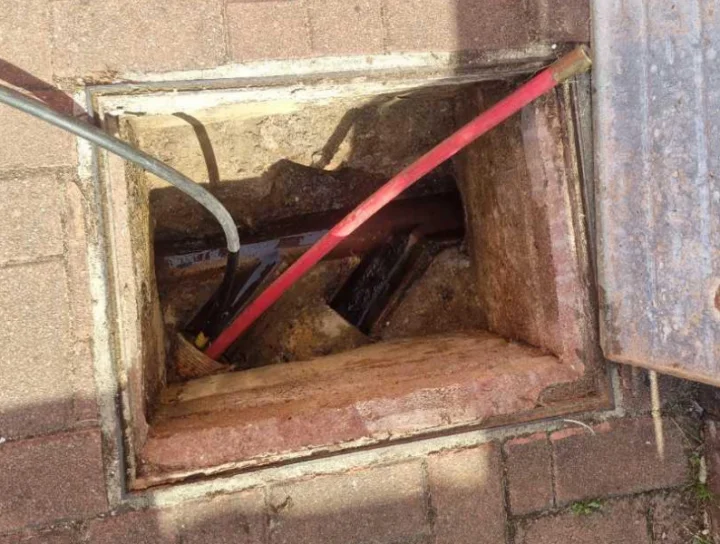
Some of the most serious risks arise before drainage systems visibly fail. Poorly maintained thermostatic mixing valves (TMVs) can increase the risk of scalding, while manhole covers can become trip hazards, either by dropping below ground level over time or lifting and shifting when pressure builds up behind a blockage.
These risks are often overlooked or deprioritised because they don’t appear urgent, yet both can directly affect CQC Safe outcomes, reinforcing the need for planned, proactive management rather than reactive intervention.
The Hidden Drainage Risk in Care Homes: “It’s Been Fine… Until It Isn’t”
In many care homes, drainage problems don’t begin with a dramatic failure. Instead, they develop quietly over time. Small issues are worked around, temporary fixes become routine, and systems continue operating just well enough to avoid immediate disruption.
Older buildings, shared pipework and outdated materials can all slowly reduce drainage capacity without obvious warning. Eventually, that reduced capacity reaches a tipping point, leading to sudden blockages that can result in:
- Loss of toilets, showers or kitchen facilities
- Disruption to meals, hygiene and residents’ daily routines
When this happens, what may have seemed like a maintenance issue quickly becomes a CQC Safe and Responsive concern, placing pressure on both operational teams and leadership.
Understanding why these issues often go unnoticed, and what early warning signs to look for, is essential to maintaining service continuity and inspection readiness.
Why Care Home Kitchens Carry a Higher Drainage Risk Than Expected
Commercial kitchens in care settings present a unique challenge. Even where menus seem straightforward, kitchens are producing dozens, sometimes hundreds, of meals every day, all year round.
Grease build-up, undersized or poorly maintained grease traps, and assumptions that care homes generate “lighter” waste than other commercial kitchens can create the perfect conditions for drainage failure. Over time, this leads to restricted flow and increased risk of sudden blockages.
When kitchen drainage fails, the consequences are immediate. Hygiene standards, nutritional delivery and continuity of care all come under strain, directly affecting CQC Effective and Safe outcomes.
Proactive inspection and maintenance of kitchen drainage systems is therefore not optional, it is a core part of operational resilience in care environments.
Why Drainage Emergencies So Often Happen at the Worst Time
Drainage failures have a habit of occurring overnight, during busy periods or at weekends. When they do, care teams are placed under significant pressure to uphold safety, dignity and routine while technical issues are resolved.
Planned response strategies, including clear escalation processes and access to specialist support, don’t just reduce downtime. They actively support CQC Responsive and Caring outcomes by minimising disruption to residents and enabling staff to focus on care rather than crisis management.
From Compliance to Confidence
Drainage should not be viewed purely as a technical or reactive concern. In a live care environment, it is a leadership and risk-management issue.
Strong providers recognise that:
- Proactive maintenance means planned inspections aligned to real usage, not calendar assumptions
- Early identification of capacity issues prevents resident disruption
- Clear maintenance and response plans give staff confidence and protect service continuity
For organisations seeking to sustain strong CQC performance, or work towards outstanding ratings, these operational fundamentals play a far greater role than many expect.
How Metro Rod Supports Care Homes
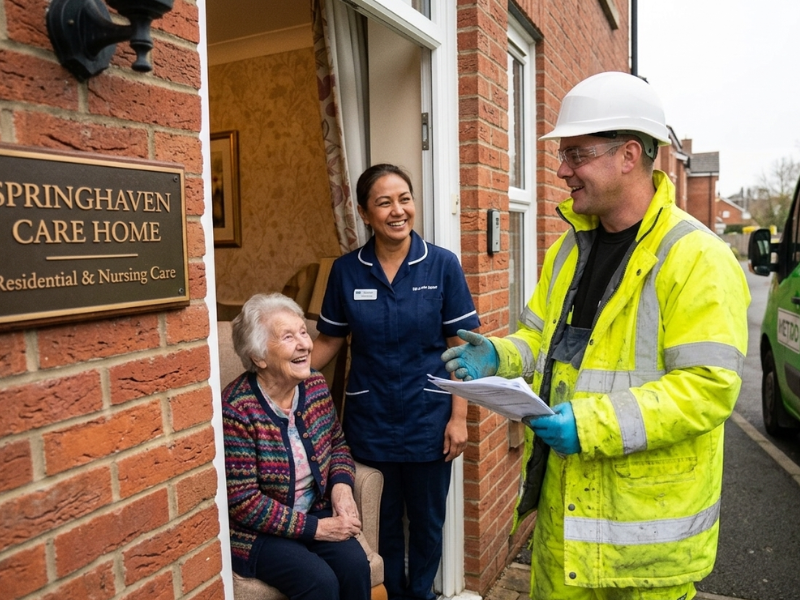 Metro Rod works with care home providers to help reduce risk, prevent disruption and maintain compliance through proactive, specialist drainage support. With over 40 years of experience across live care environments, Metro Rod understands the importance of safety, dignity and minimal disruption to residents. From planned inspections and grease management to rapid emergency response and drainage surveys, support is tailored to the operational realities of care settings, helping leaders move from reactive fixes to confident, controlled management.
Learn more about how Metro Rod supports care providers
Talk to your local Metro Rod specialist
We are always happy to arrange a free site assessment and no obligation quotations for any work you might need. Alternatively, you can call our emergency hotline number on 0800 66 88 00
Get in touch Drainage Services