Drain Repair and Sewer Rehabilitation with Minimal Disruption
A persistent groundwater infiltration was identified within a sewer network in Leominster; a major drain repair programme was required to restore the condition and performance of the affected infrastructure. Groundwater infiltration occurs when water from the surrounding ground enters damaged or defective sewer pipes through cracks, joints or other weaknesses. A drain CCTV survey revealed water entering the sewer and reducing the network’s ability to carry wastewater efficiently. To address this issue, 1.25km of sewer was rehabilitated using trenchless drain relining techniques.
The Challenge: Persistent Groundwater Infiltration
Initial CCTV inspections identified significant groundwater infiltration throughout sections of the sewer network. Water remained visible inside the sewer pipes despite an extended period of dry weather, demonstrating that water was continuously entering the sewer system rather than only during rainfall. This confirmed the sewer was experiencing persistent groundwater infiltration rather than short-term stormwater ingress. 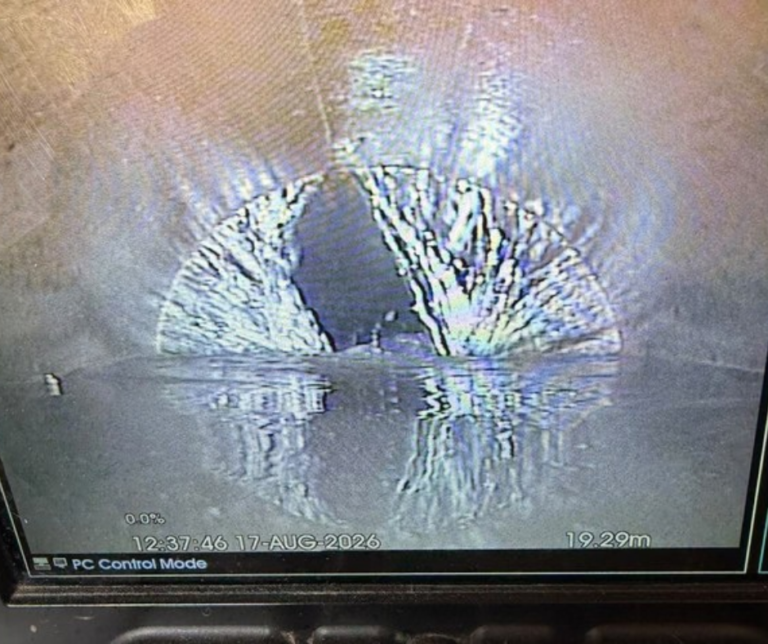
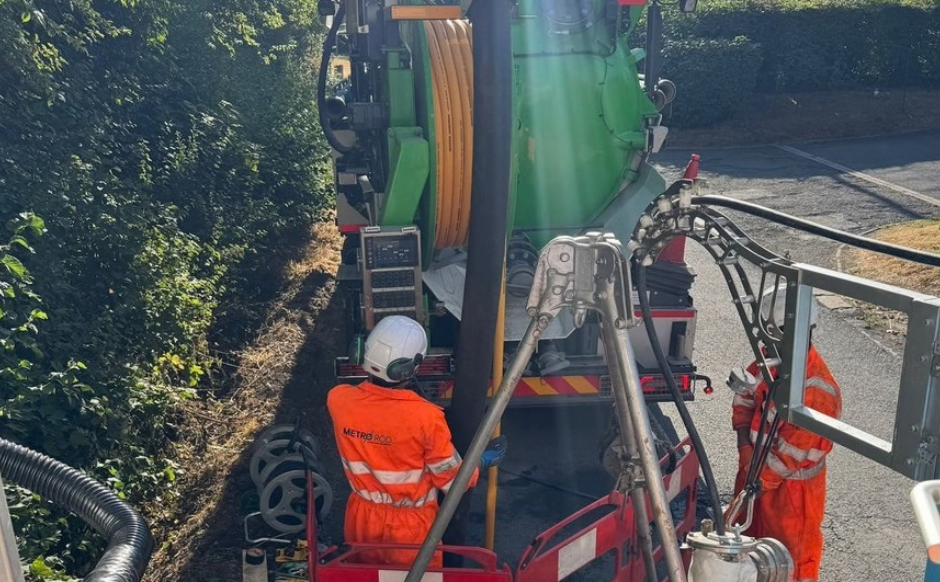
The affected sewer route passed through residential roads, public highways and rural areas, creating a range of access and logistical challenges. Any drain repair solution needs to be completed while maintaining access for residents, road users and additionally, coordinating several stages of work. Specialist crews and equipment were required to work safely across live highway environments, residential areas and remote off-road locations. Temporary traffic management measures were implemented where required to maintain access for local residents, pedestrians and vehicles while ensuring safe working zones around open manholes and operational equipment.
The Solution: CIPP Lining
To prevent groundwater from entering the sewer system and restore the condition of the pipework, a comprehensive programme of drain relining and pipe repair was carried out. The project began with high pressure water jetting to remove built-up debris, silt and other deposits from inside the pipes. CCTV drain surveys were then carried out to assess the condition of the network, measure pipe sizes and identify existing service connections.
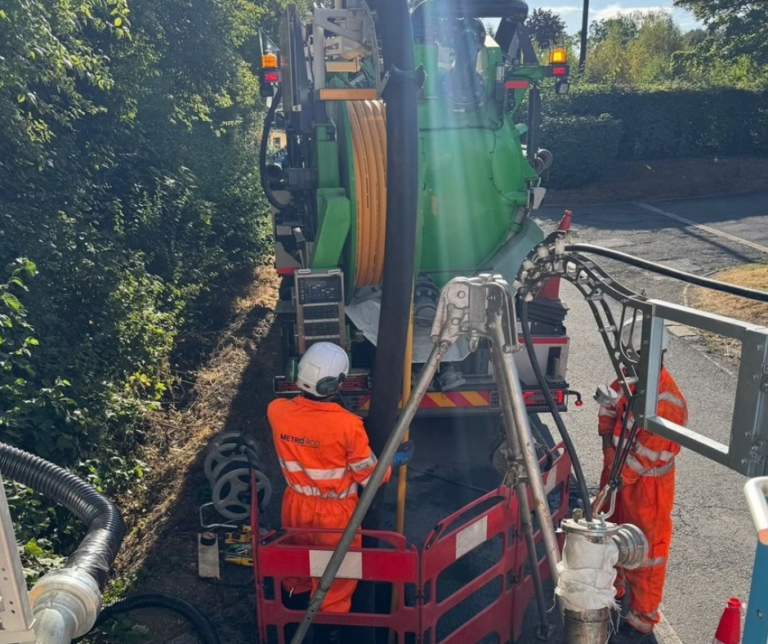
A trenchless CIPP pipe lining method was selected to repair the damaged sewers. CIPP lining also known as Cured-In-Place Pipe lining, is a method that creates a new pipe inside the existing one without the need for extensive excavation. This approach significantly reduces disruption compared to traditional pipe replacement.
A resin-soaked tube, known as a bladder, is inserted into the sewer pipe. The liner was inflated to fit tightly against the existing pipe and hardened using specialist UV light equipment. This created a durable new lining within the original sewer pipe, sealing defects and preventing groundwater from entering.
Once the liner had fully hardened, specialist equipment was used to reopen 12 property connections that joined the main sewer. A final CCTV survey was then carried out to confirm the lining had been installed correctly and that all connections were fully operational.
The project rehabilitated 879 metres of 150mm sewer and 372 metres of 225mm sewer, delivering approximately 1.25km of trenchless sewer rehabilitation. By avoiding continuous excavation along the route, the trenchless approach reduced spoil generation, reinstatement requirements and disruption to local communities, highways and surrounding land.
The Outcome: Drain Repaired with Minimal Disruption
Metro Rod Newport successfully resolved groundwater infiltration across approximately 1.25km of sewer network, helping to ensure the system could continue to carry wastewater effectively while improving its long-term reliability. By using CIPP lining and trenchless drain relining techniques, the rehabilitation works were completed without the need for continuous open-cut excavation, reducing disruption across residential roads, highways and rural sections of the route.
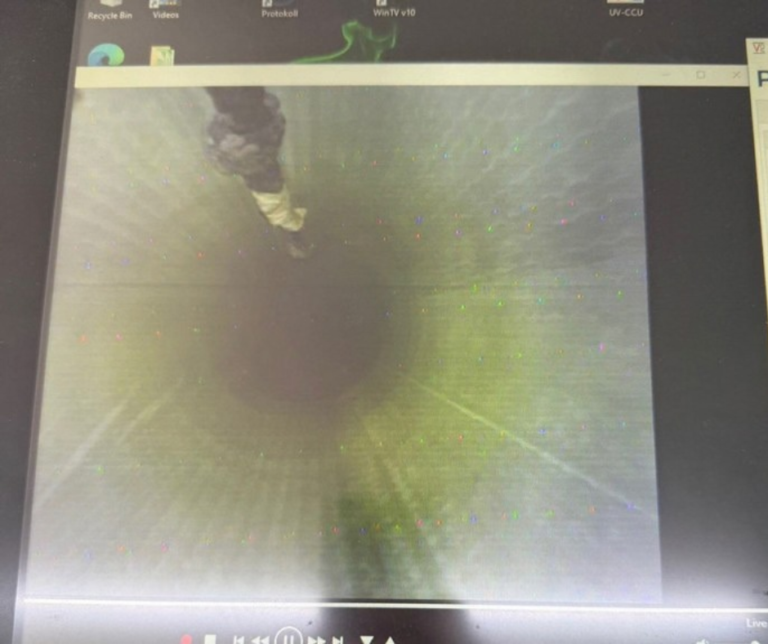
Following completion of the lining works, all 12 existing property connections were reinstated and checked using CCTV technology, ensuring the sewer remained fully operational while reducing disruption to residents and surrounding areas.
The completed rehabilitation programme helped prevent unwanted groundwater from entering the sewer network, allowing it to operate more efficiently and reliably. Through careful planning and the use of specialist trenchless repair techniques, Metro Rod successfully delivered the project across residential streets, public highways and rural locations while keeping disruption to a minimum.
Talk to your local Metro Rod specialist
We are always happy to arrange a free site assessment and no obligation quotations for any work you might need. Alternatively, you can call our emergency hotline number on 0800 66 88 00
Get in touch Drainage Services